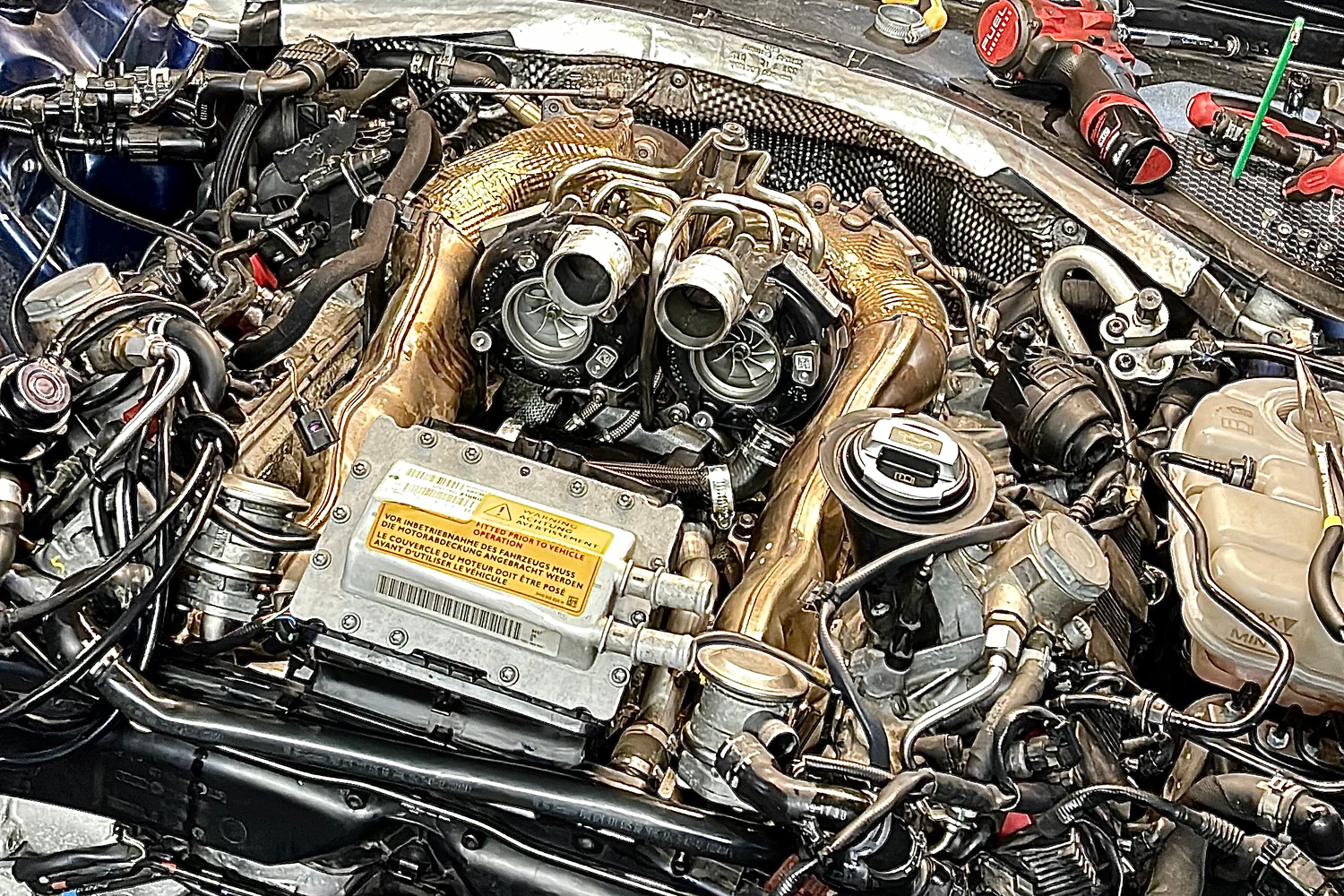
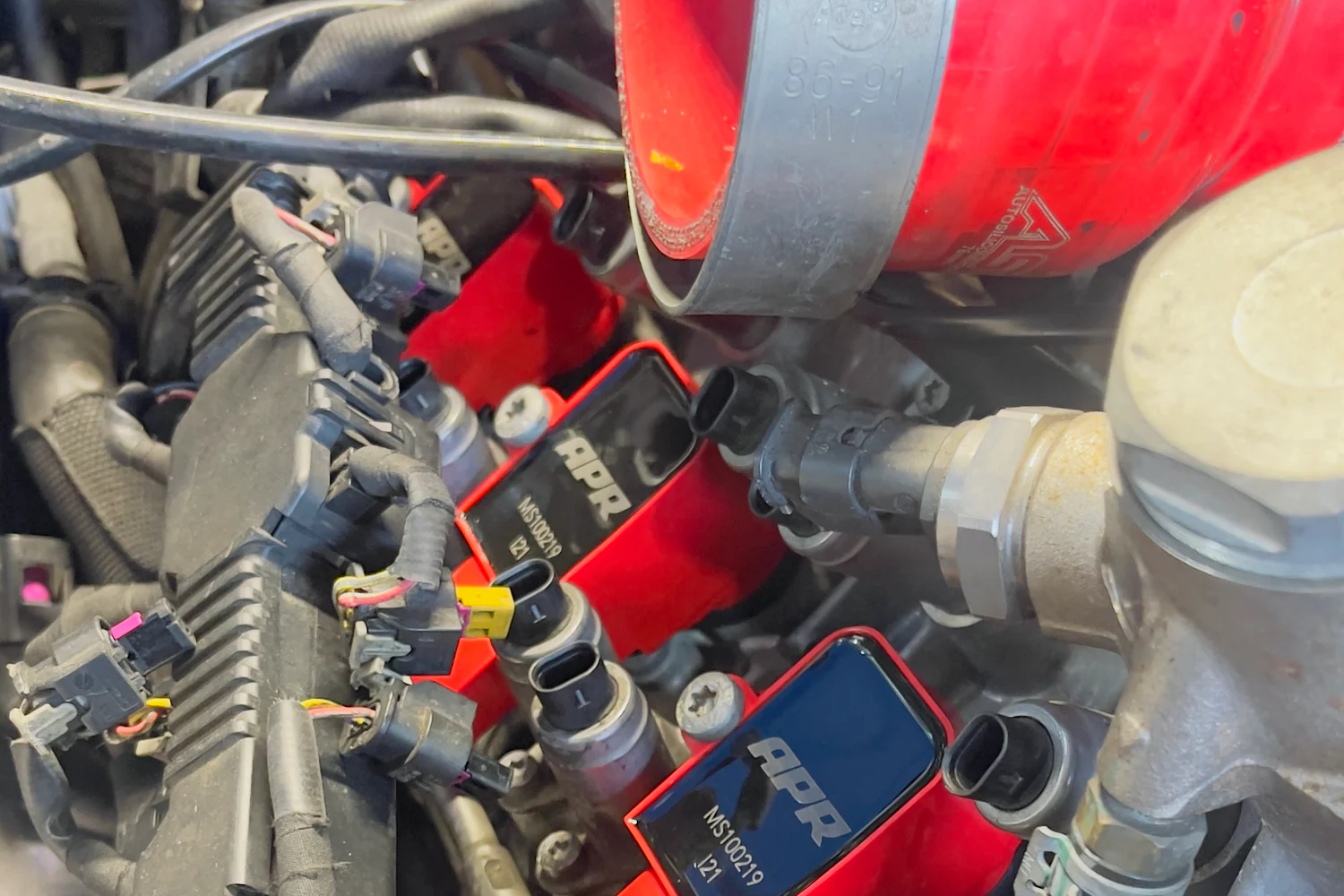
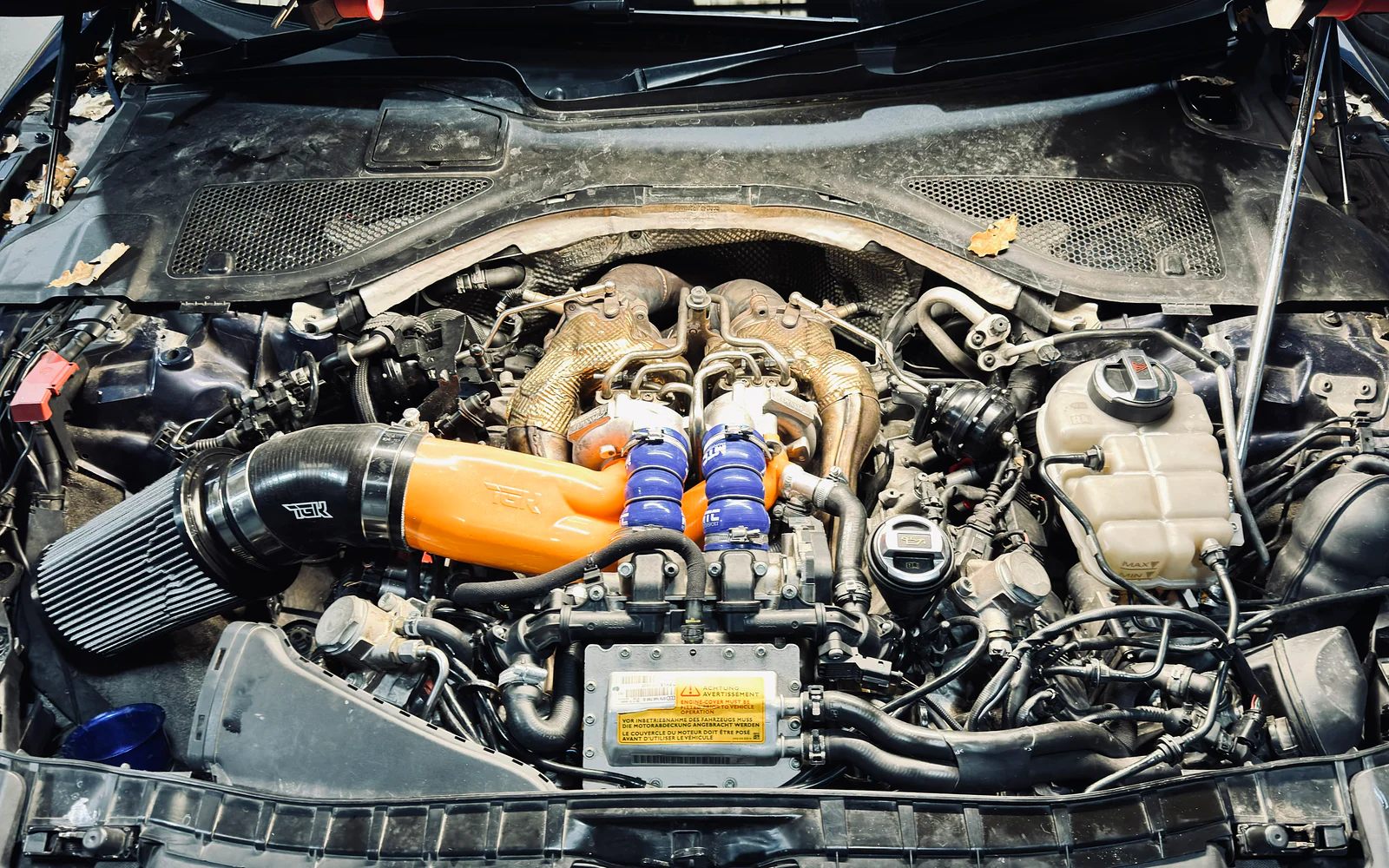
Twin-turbo engine bay with performance intake and supporting hardware
← Build stories & inspiration

03 · Build-route guide

Twin-Turbo Airflow & Hardware Package

A hardware-led route showing why turbochargers, intake, cooling, fuelling and calibration should be planned as one package.

Twin turboAirflowSupporting hardwareCalibration
GoalUsable fast-road response
SystemsBoost · intake · cooling
CalibrationMatched to hardware
PlanningStaged and health-led

The project

Built around the brief.

Forced-induction work is not simply a turbocharger swap. The correct route depends on engine condition, the target, existing parts, available fuel, thermal control, transmission capability and how the car will be used. This showcase explains the staged thinking behind a responsible hardware package.

The exact components, settings and outcome of every project depend on the individual vehicle, its condition, existing modifications and agreed use. No power or performance figure is implied unless it has been measured and documented for that specific car.
From idea to handover

How the build
comes together.

Each stage has a reason. Open planning, compatibility checks and an agreed sequence help avoid buying the wrong part twice.

01

Establish the foundation

Vehicle health and the existing setup are reviewed before selecting a larger turbo or supporting parts.

  • Faults, maintenance and known weaknesses
  • Existing ECU and TCU software
  • Current intake, exhaust and cooling hardware
  • Fuel grade and real usage
02

Match the air path

Intake restriction, turbo sizing, charge cooling and exhaust flow influence response, heat and repeatability.

  • Intake and inlet route
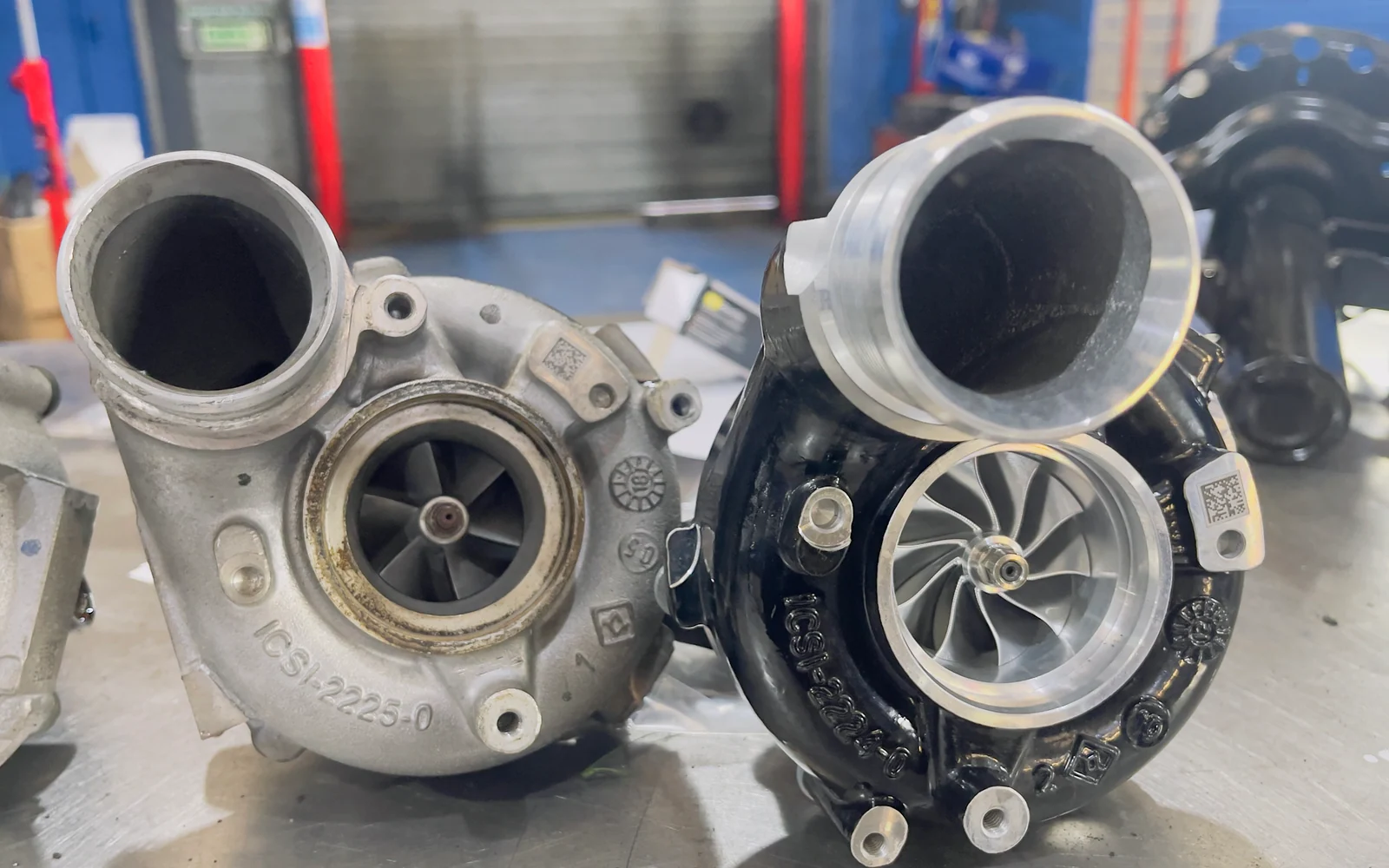
  • Turbocharger specification
  • Intercooler and charge-pipe capacity
  • Downstream exhaust compatibility
03

Support the demand

Fuel, ignition, cooling, drivetrain and monitoring requirements are assessed around the proposed output and use.

  • Fuel-pressure and injector capacity
  • Spark plugs and coils
  • Engine and gearbox thermal management
  • Clutch or transmission considerations
04

Calibrate and review

Software is selected only after the hardware and vehicle condition are understood. Data and driveability matter as much as a headline result.

  • Vehicle-specific ECU route
  • TCU strategy where appropriate
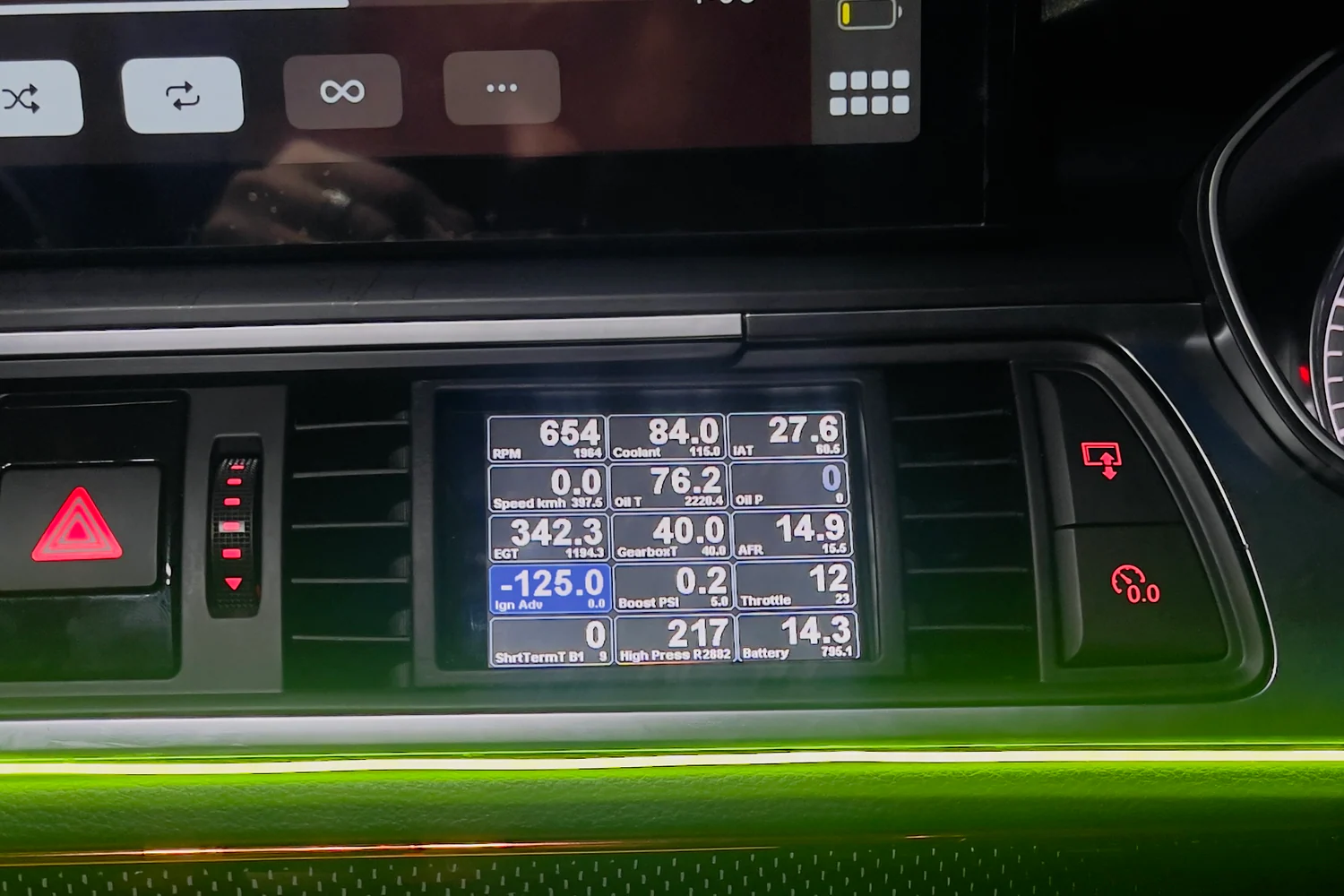
  • Data logging and fault review
  • Aftercare and maintenance plan

What a successful route delivers

More coherent.
More understandable.

  1. 01

    Hardware selected around the complete system

  2. 02

    A build sequence that avoids incompatible or premature parts

  3. 03

    Calibration matched to the installed specification

  4. 04

    Clear maintenance and future-stage considerations

Next build showcase · 04

Chassis control package

Continue to the next project →

Start your own project

Bring us the goal.
We’ll build the route.