Free assessment first
A 15-minute Powerflow appointment is required before quotation so the real vehicle, condition and packaging can be inspected.
Powerflow · Sandhurst
Every Powerflow enquiry starts with a free, no-obligation 15-minute assessment. We inspect the vehicle on the ramp, discuss the system, tailpipe and sound options, then prepare an accurate quotation.
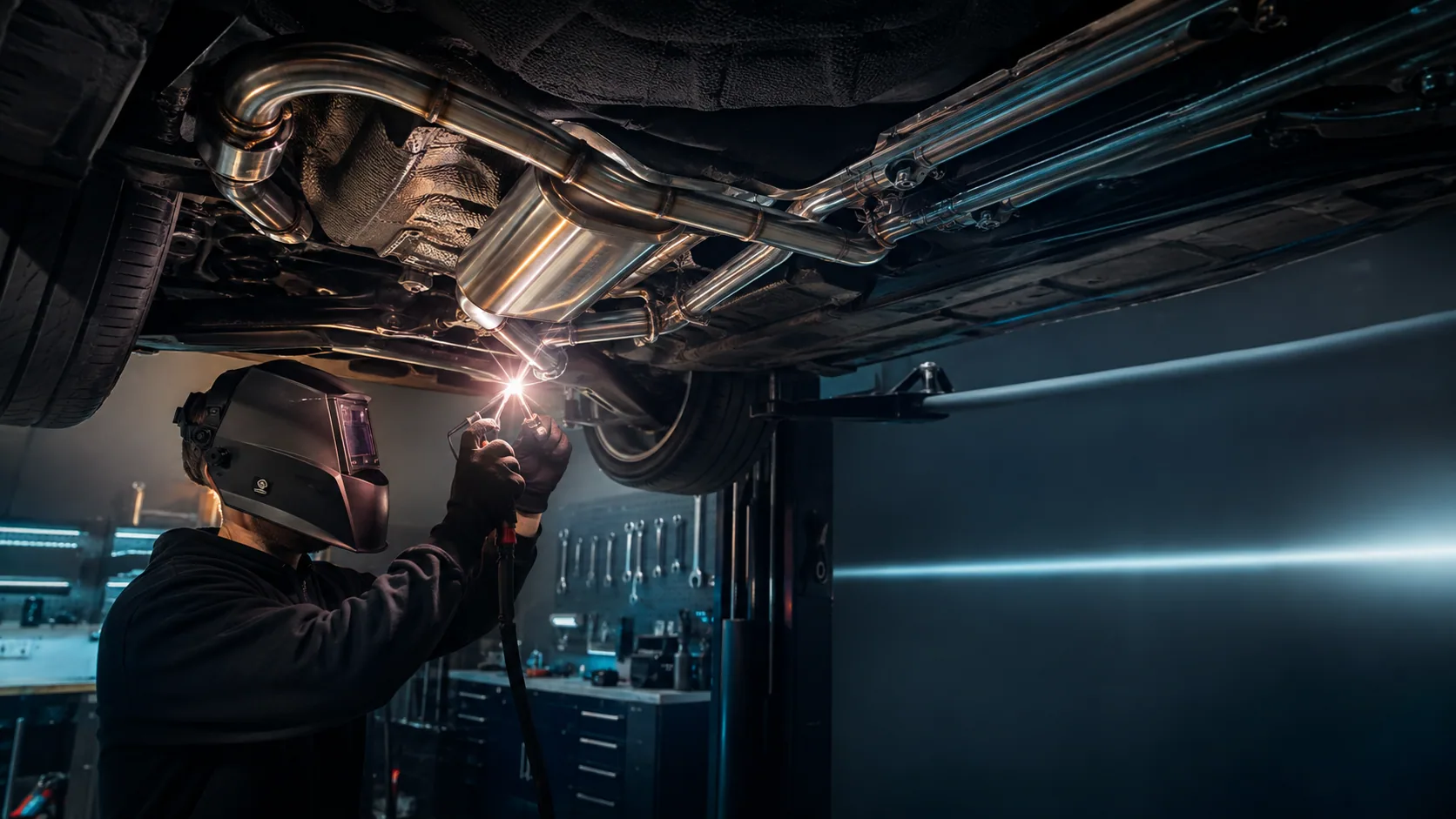 TM / 26
/ 01
Start with the goal
Custom exhaust work cannot be quoted accurately without seeing the vehicle. The assessment lets our fabricators check the existing system, routing, emissions hardware, clearances, bumper layout and any OEM valves before recommending a back-box, rear section, cat-back, downpipe-back or fully bespoke route. If you are unsure which stage, part or package applies, that is exactly what the first conversation is for.
Capability
A 15-minute Powerflow appointment is required before quotation so the real vehicle, condition and packaging can be inspected.
Back-box, rear section, cat-back, downpipe-back, full system, flexi repair or a targeted bespoke section.
Single-exit, twin-exit, single-pipe, dual-pipe and suitable crossover layouts shaped around available space.
Box size, count and position are selected around tone, cruising refinement, volume and drone control.
Existing factory valves can be assessed for retention and integration; alternative valve solutions depend on compatibility and the agreed control route.
Diameter, shape, finish, projection and bumper position agreed before the final presentation is completed.
See it, don't just read it
01 / Powerflow · SandhurstA custom exhaust, built on your vehicle. in focus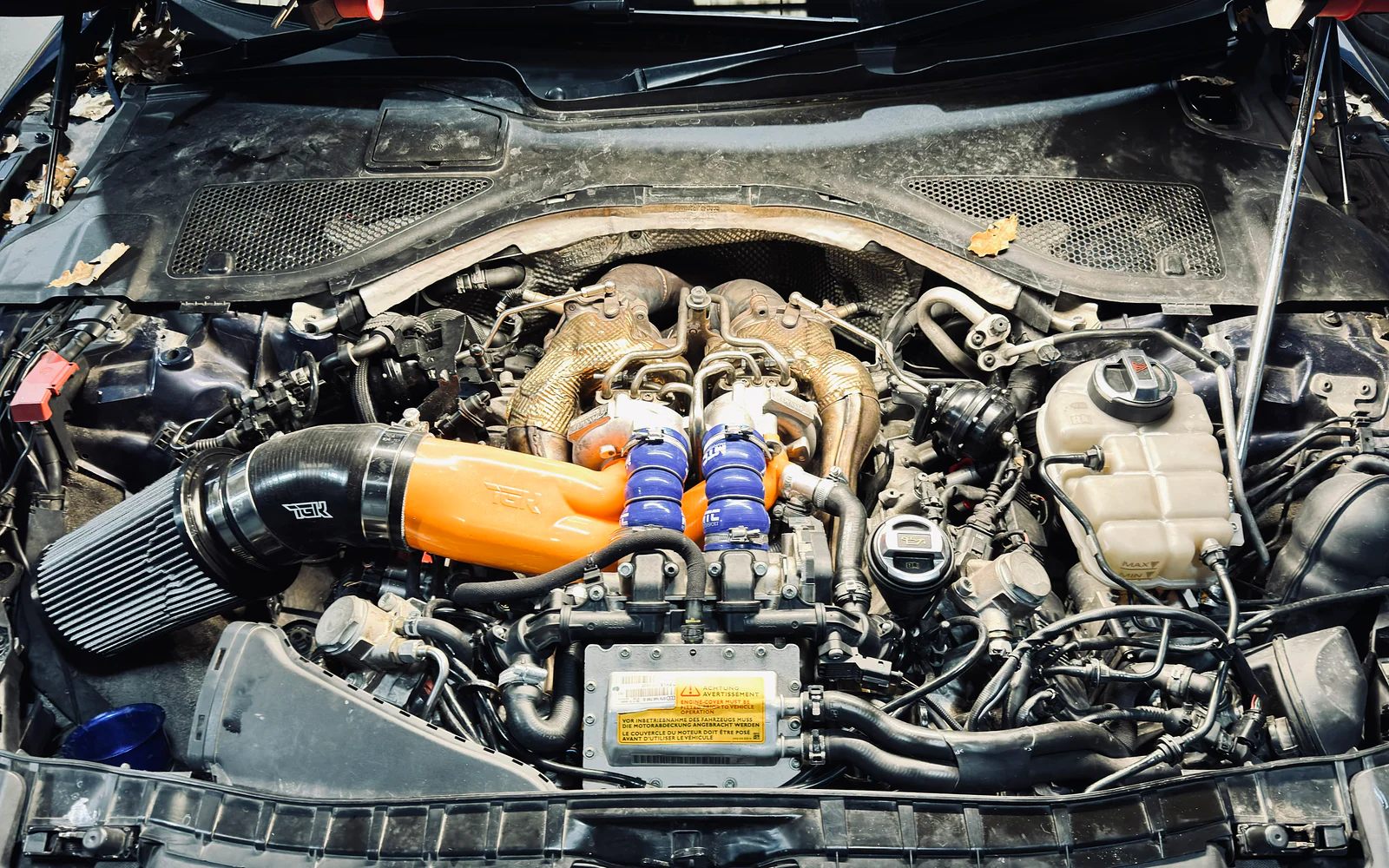 02 / Air & fuelAirflow, fuelling and ignition hardware viewed as one systemOpen route ↗
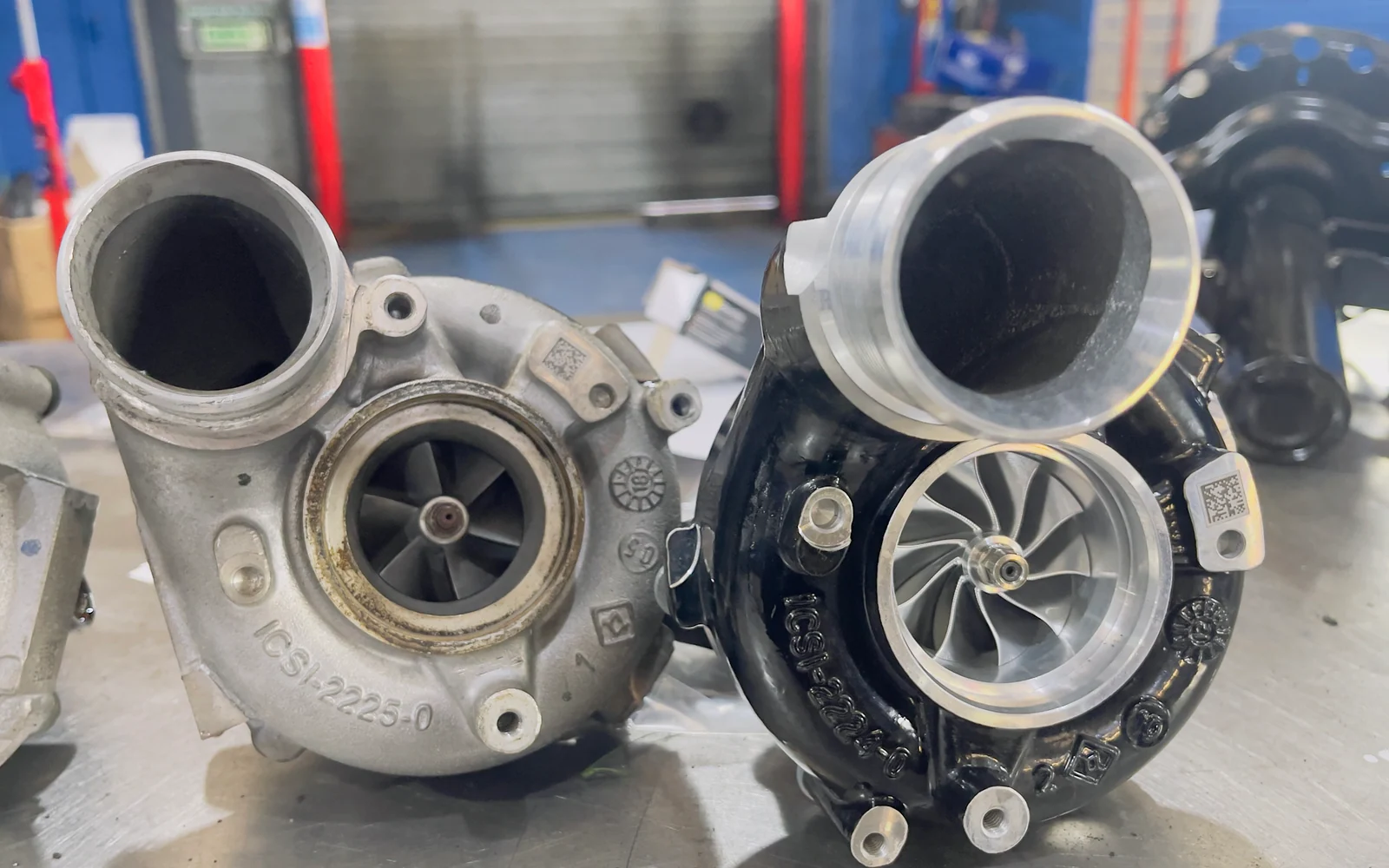 03 / Boost & coolingForced induction and thermal control planned togetherOpen route ↗
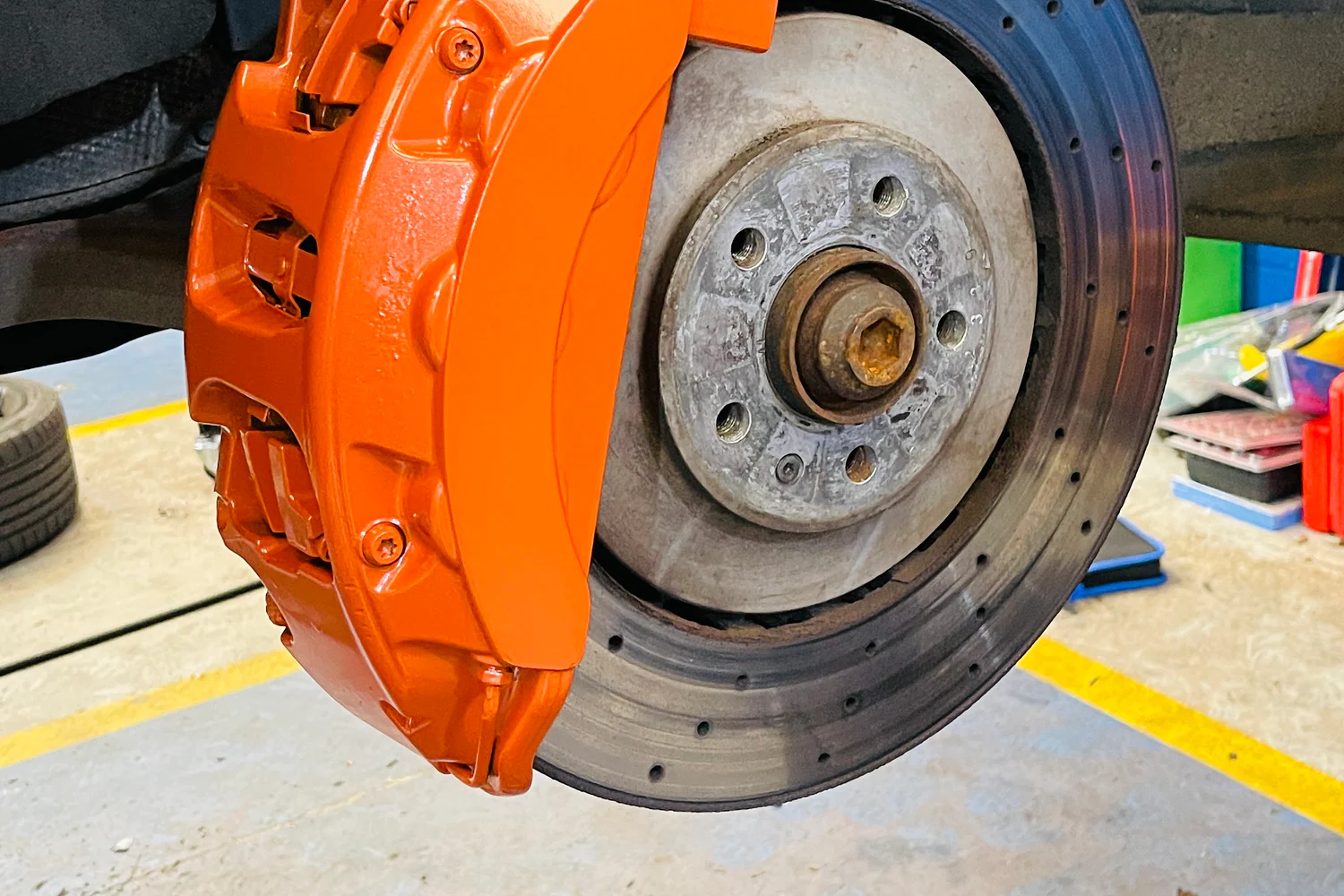 04 / ChassisBrakes, suspension, wheels and tyres matched to the vehicleOpen route ↗
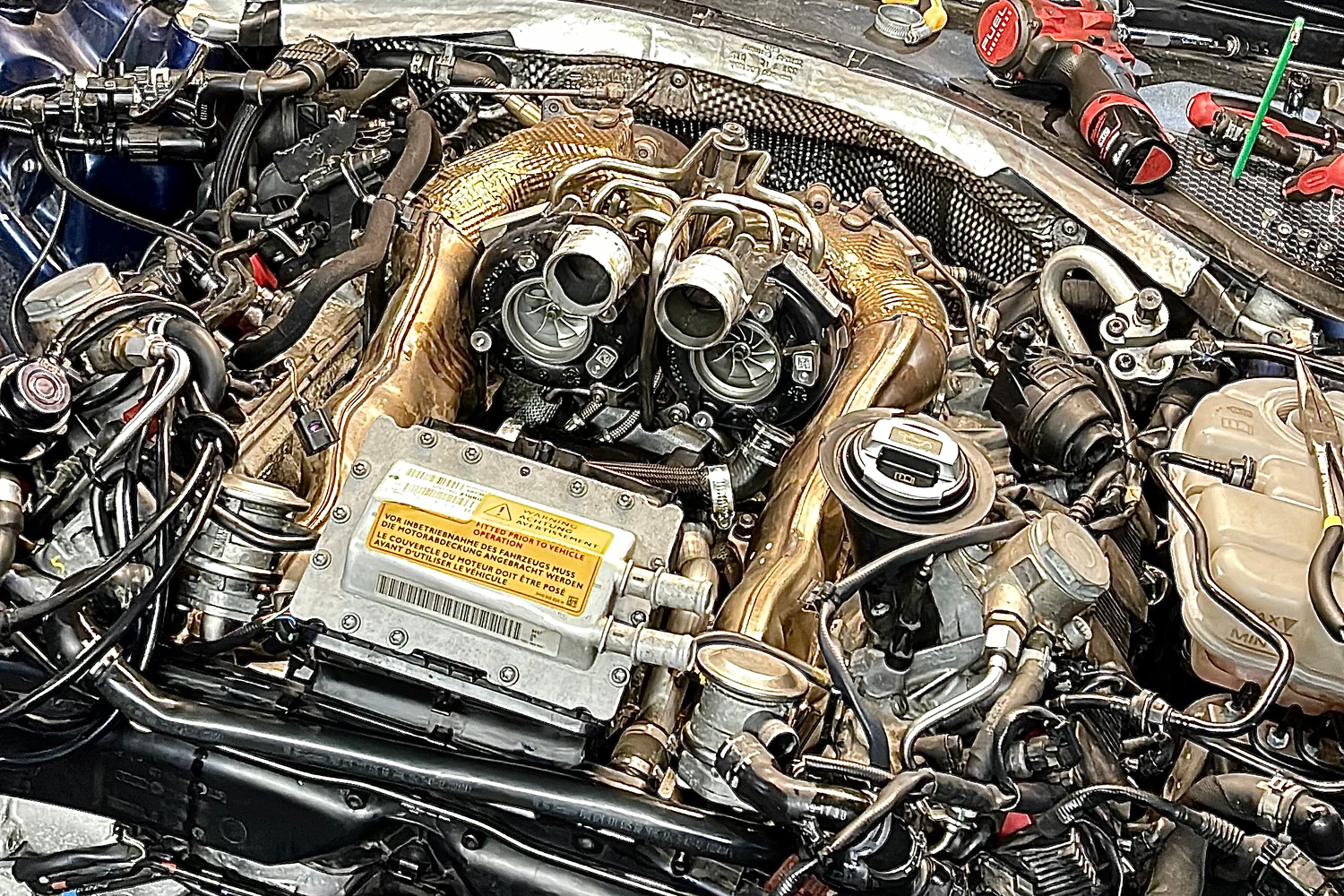 05 / DrivetrainDrivetrain and engine hardware in real workshop detailOpen route ↗
Read our assessment, deposit and warranty arrangements →
Good to know before you book
The detail, already open
Every guide is expanded by default so the full scope is visible immediately. Compatibility and outcome still depend on the exact vehicle, software, condition and installed parts.
The starting point is how much of the exhaust needs to change.
The visible end of the system is designed with the vehicle, not in isolation.
Silencer and pipe choices shape tone as well as volume.
Fabrication is carried out directly on the vehicle for an accurate route.
Powerflow system planner
The full-width visual follows the exhaust from the engine-side connection to the final tailpipes. Select or hover over a numbered marker to match the physical component with the detailed consideration directly below.
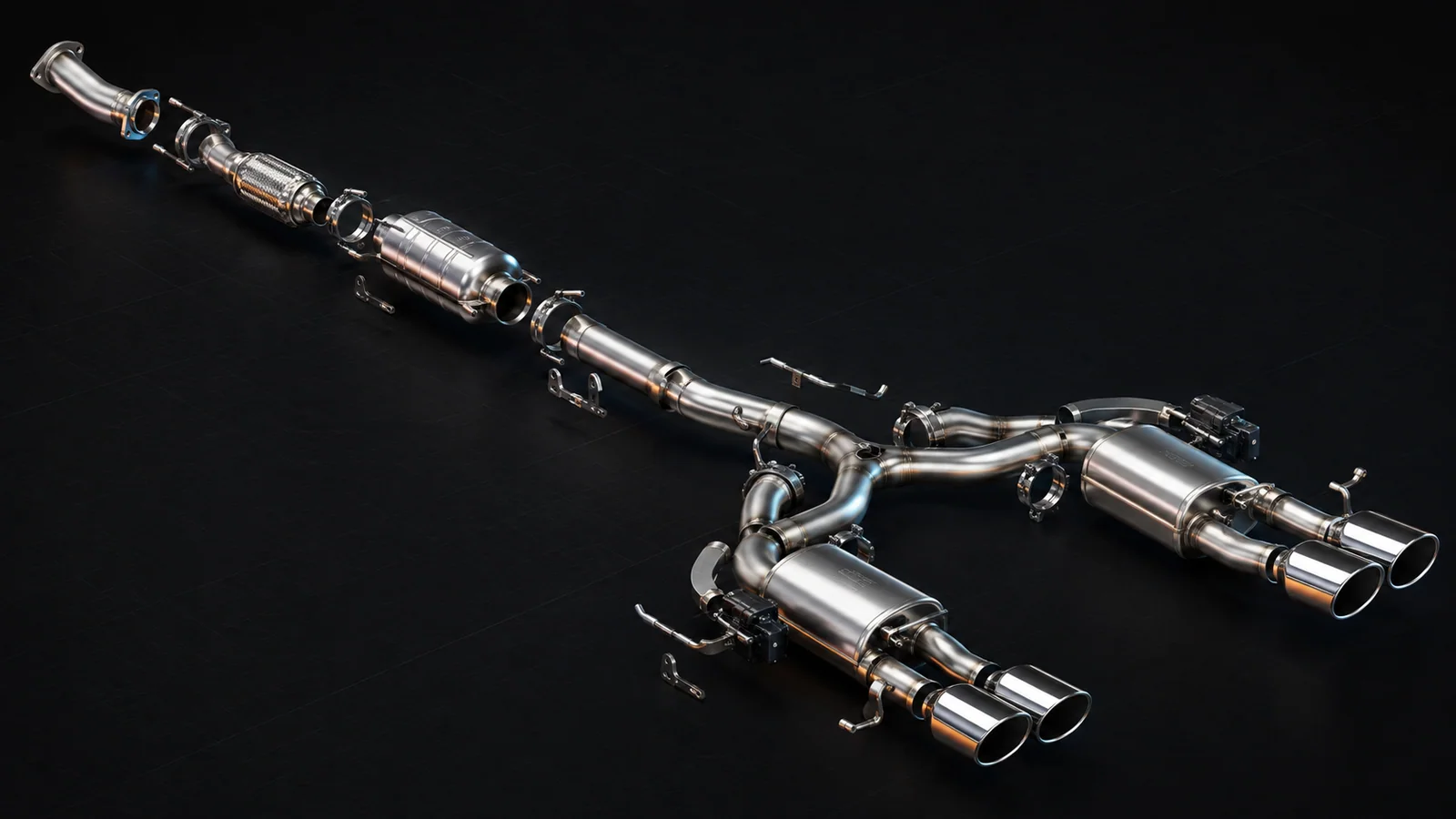
We inspect the existing manifold or turbo outlet, flange, sensors and emissions hardware. A Powerflow build can begin behind the compliant front section or connect to suitable existing hardware.
A correctly positioned flexi allows controlled powertrain movement. Diameter changes, reducers and joins are shaped to preserve clearance and avoid a stressed front connection.
Road-going emissions equipment and required sensors remain part of the design. Condition, temperature, location and access are checked before a route is agreed.
Single or dual pipework can use a straight, resonated, X-pipe, H-pipe or independent-bank layout where the vehicle, packaging and sound target genuinely suit it.
Quantity, body size, position and internal construction shape volume, tone, drone control and motorway refinement. Bigger or fewer is not automatically better.
Existing factory actuators may be retained where position, electronics and fail-safe operation permit. Alternative valved routes depend on compatible controls and the agreed use.
Single, twin or quad presentation; round, oval or slash-cut profiles; polished, dark or specialist finishes. Projection, spacing and bumper symmetry are agreed before completion.
Stainless hangers, serviceable joints, movement, ground clearance, heat protection, neat TIG fabrication and accessible fixings all contribute to a system that lasts and remains maintainable.
Vehicle architecture changes the answer
Your car may use one pipe, two banks, an OEM valve, unusual underbody packaging or only need a rear section. The ramp assessment establishes the technically sensible route before any quotation.
A compact path for many four-cylinder cars, classics, vans and packaging-limited applications. Pipe diameter, resonation and silencer volume are selected for the engine and sound brief.
Separate banks may use an X-pipe, H-pipe or independent route. Balance, tone, scavenging, heat, available space and ground clearance determine the useful design.
A factory valve can be inspected for retention and correctly positioned in the new system. Compatibility, actuator travel, control behaviour and fail-safe operation are confirmed on the vehicle.
Where the front and centre system are sound, a back-box or axle-back route can change presentation and tone without replacing more of the vehicle than necessary.
Workshop process
Every vehicle is different, but you should always understand what is being recommended and why.
Every vehicle receives a free workshop assessment for an accurate estimate.
System, tailpipe and sound are agreed before fabrication.
The system is made on the vehicle and checked for fit and finish.
Fit for purpose
The useful question is not simply whether a part or calibration is available. It is whether it supports your car, your driving and the next stage of the build.
Why Torque Monsta
Performance work should come with honest limitations, professional tools and a clear explanation of what your money changes. Our approach joins calibration and fabrication knowledge with the wider mechanical capability of Vulcan Motors.
Vehicle, software, fuel and hardware are considered together rather than assuming one file fits every example.
Professional, legitimate tooling and processes support safer reading, writing, coding and diagnostic work.
Recognised automotive training and standards sit behind the practical workshop experience.
The workshop operates as an established automotive business with the appropriate professional cover.
Parts, labour, calibration and likely follow-on requirements are discussed before the project grows.
Explore our separate parts shop → · Ask the workshop to confirm compatibility and installation.
Before you commit
Power, sound and appearance are only part of a successful result. Reliability, braking, tyres, heat management, servicing, insurance and road use all deserve a place in the conversation.
The vehicle must be seen on the ramp to understand space, routing, condition, clearances and the amount of fabrication. That assessment allows the system type, tailpipe, sound and accurate estimate to be agreed.
The current offering covers cars, vans, classics, 4x4s, sports and rally cars, motorhomes, mobility and other specialist vehicles, subject to an in-person assessment.
Yes, where the remaining system is suitable. Flexi sections, manifolds, pipework and targeted custom sections can be assessed as alternatives to a complete build.
Torque workshop jobs, including Powerflow fabrication, require a 50% deposit before parts ordering or confirming the work booking. The initial free Powerflow assessment remains free and no-obligation. Ask for the written payment and cancellation terms before paying; statutory rights are unaffected.
We telephone you with progress updates and provide written confirmation of agreed changes to project cost or scope. Photos and progress updates can be requested. Parts availability, additional findings and agreed milestones affect the programme.
Compatibility depends on registration, model year, engine or transmission code, software and current modifications. Send those details and we will confirm the appropriate route before booking.
Straightforward packages can often be quoted in advance. Bespoke builds, fabrication and diagnostic work are estimated after the vehicle and required parts have been properly scoped.
It can. Modifications should be declared to the insurer, and manufacturer or third-party warranty coverage may be affected. We recommend confirming your position before authorising work.
Often, subject to inspection, suitability and workshop agreement. We cannot guarantee the quality or compatibility of customer-supplied parts, and additional labour may apply if they do not fit as expected.
Fabricating directly on the vehicle allows the routing and presentation to be resolved around its real underside rather than a generic diagram. The installed system or calibration is checked, and we explain relevant operation, bedding-in, maintenance or follow-up advice.
Build a better brief
The more complete the starting information, the more useful our first recommendation can be. Photos, part numbers and diagnostic reports can be added after the initial contact where helpful.
Registration or VIN, mileage, transmission and exact model or engine variant.
Software, engine hardware, exhaust, suspension, wheels, tyres and any recent repair work.
Power delivery, sound, appearance, road use, track use, towing, economy or a specific problem to resolve.
Budget range, preferred timing, comfort requirements, insurance restrictions and future stages.
Fuel grade, typical journey, annual mileage and whether the vehicle is a daily driver or specialist project.
Questions are welcome
Open for cover, exclusions, looking after your system and arranging an inspection.
The written lifetime terms apply to the Powerflow stainless steel system. If you are choosing mild-steel work or a repair to an existing system, ask us to confirm the applicable cover before authorising it.
The written Powerflow guarantee does not require special exhaust maintenance. Continue maintaining the vehicle in accordance with its manufacturer’s instructions and retain your servicing records.
Let us know about new rattles, leaks, changes in sound or impact damage. Engine condition, excessive vibration, worn mounts and contamination can affect the exhaust and its cover.
Surface discolouration or corrosion that does not cause leakage is not included in the written guarantee. Ask us about any particular finish-care instructions at handover.
Contact reception first with your registration, original invoice and a description of the concern. Inspections are by appointment. The original fitting centre handles welding and workmanship claims; the written document explains the alternative-depot route when returning is impractical.
Have the vehicle registration document available. Evidence of routine maintenance or an MOT certificate may be requested in relevant cases. Catalyst claims are subject to the evidence requirements in the full document.
Do not arrange third-party alterations or repairs and assume the Powerflow guarantee will pay for them. Third-party changes or repairs can invalidate the guarantee; speak to the fitting centre first.
This is a customer guide to the supplied Powerflow guarantee, not a replacement for its full conditions. Specific items and invoice exclusions may differ from the lifetime system cover. Your statutory rights are unaffected.
Open the full Powerflow guarantee (PDF) ↗Contact reception · 01252 870818 · Option 1Workshop capability / Torque Monsta
Specific services, practical limits and a clear next step. Every job is assessed for the vehicle, condition, access and suitable parts. Tell us your registration and what you need.
Powerflow assessments, sound, fitment and custom system work.
Replacement tips only, not refinishing.
Assessment required before a custom quotation.
With your permission, Google Analytics measures page visits and clicks on calls, bookings and shop links. Our enquiry events do not include your name, vehicle registration or message. You can withdraw consent here at any time. External booking tools have their own privacy settings.