Injectors
flow capacity, spray pattern and calibration data
Fuel delivery · Headroom
Injectors, pumps, lines, rails and control strategies sized for the engine, target output and chosen fuel.
 TM / 20
/ 01
Start with the goal
A fuel system must deliver the required volume and pressure with safe electrical supply, compatible materials and accurate control. Parts are selected from the real power and fuel requirement, not from a label alone. If you are unsure which stage, part or package applies, that is exactly what the first conversation is for.
Capability
flow capacity, spray pattern and calibration data
low-pressure supply and basket compatibility
direct-injection headroom where supported
stable delivery and pressure control
material compatibility and protected routing
vehicle-dependent content monitoring
See it, don't just read it
01 / Fuel delivery · HeadroomFuel-system upgrades. in focus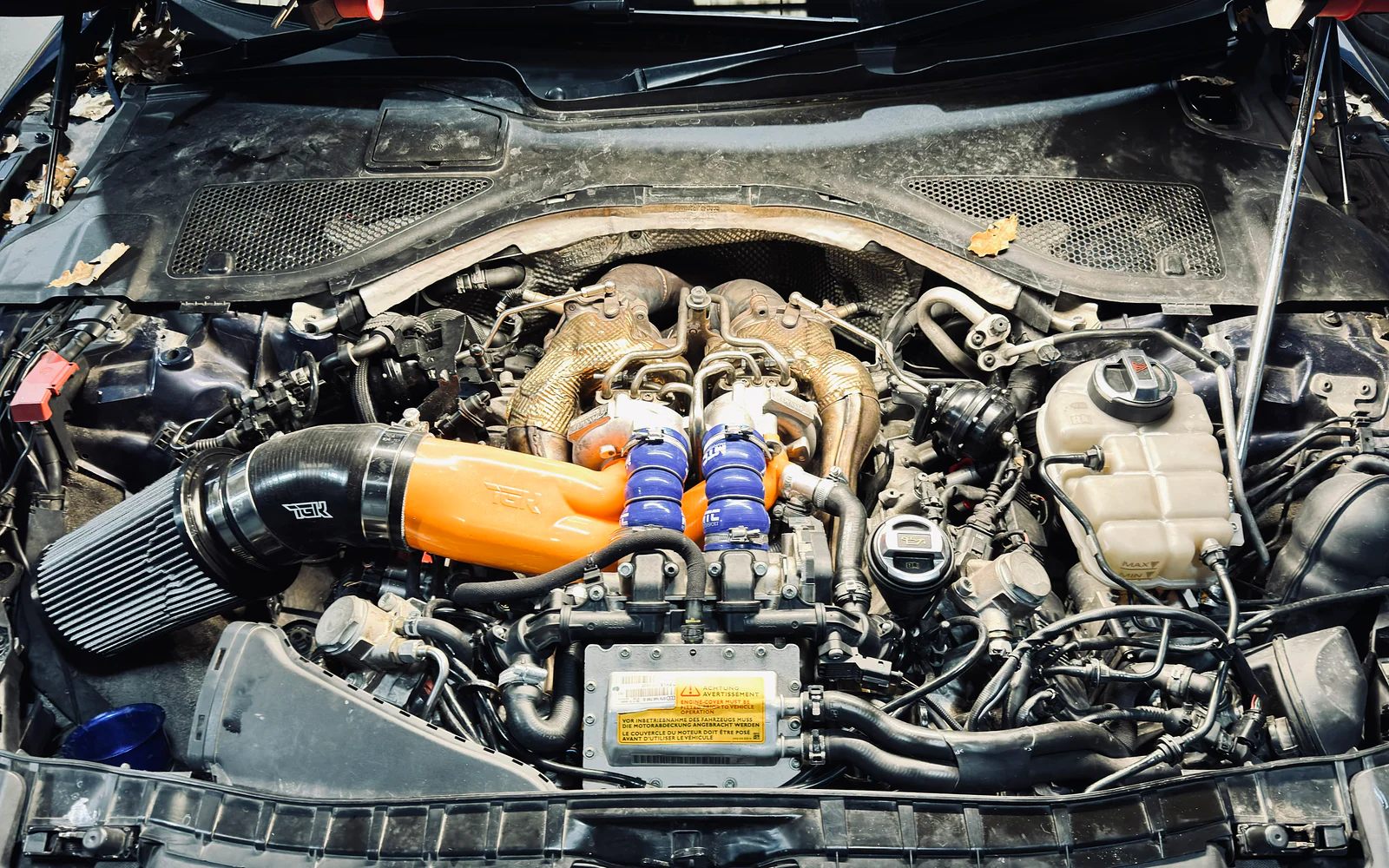 02 / Air & fuelAirflow, fuelling and ignition hardware viewed as one systemOpen route ↗
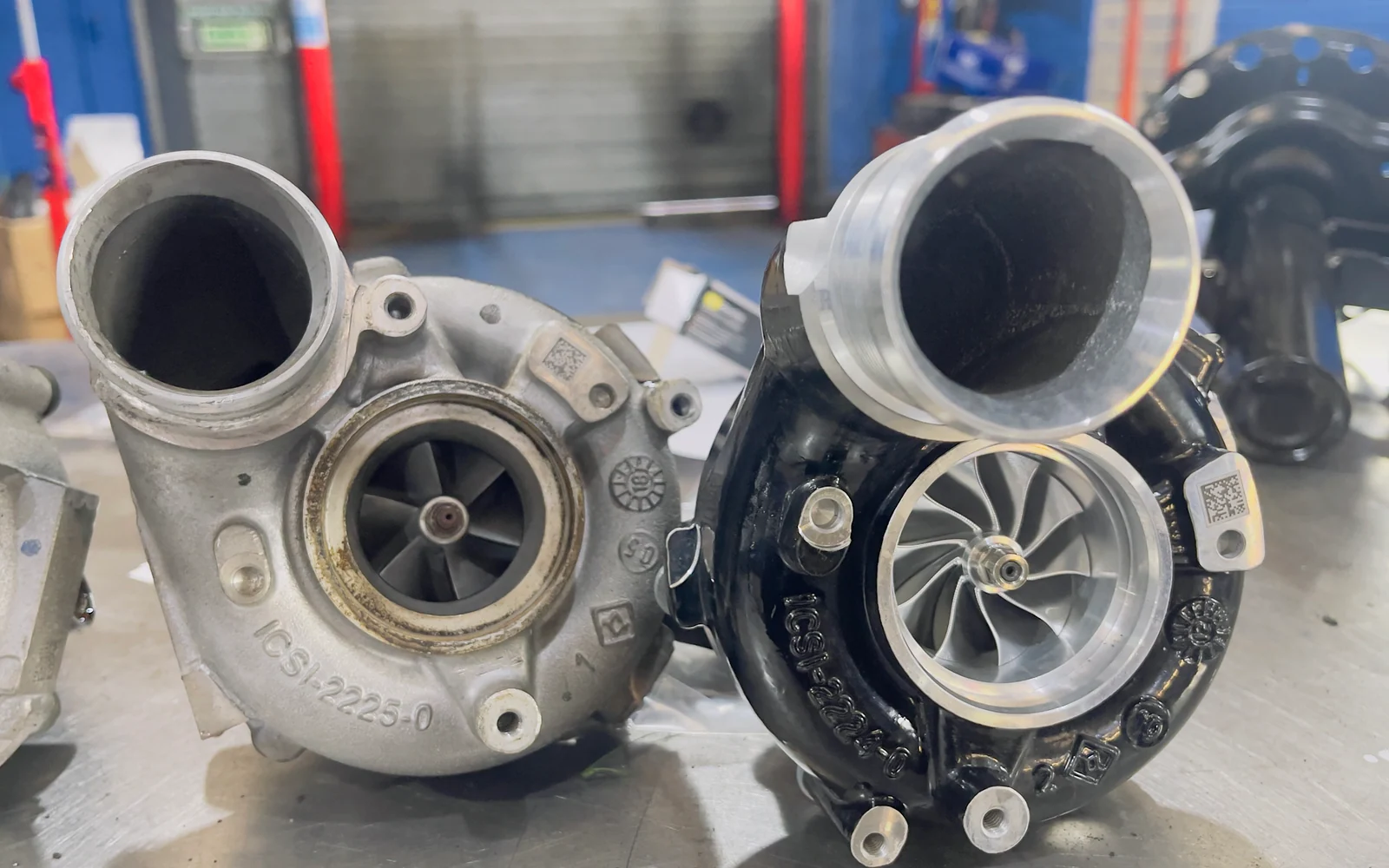 03 / Boost & coolingForced induction and thermal control planned togetherOpen route ↗
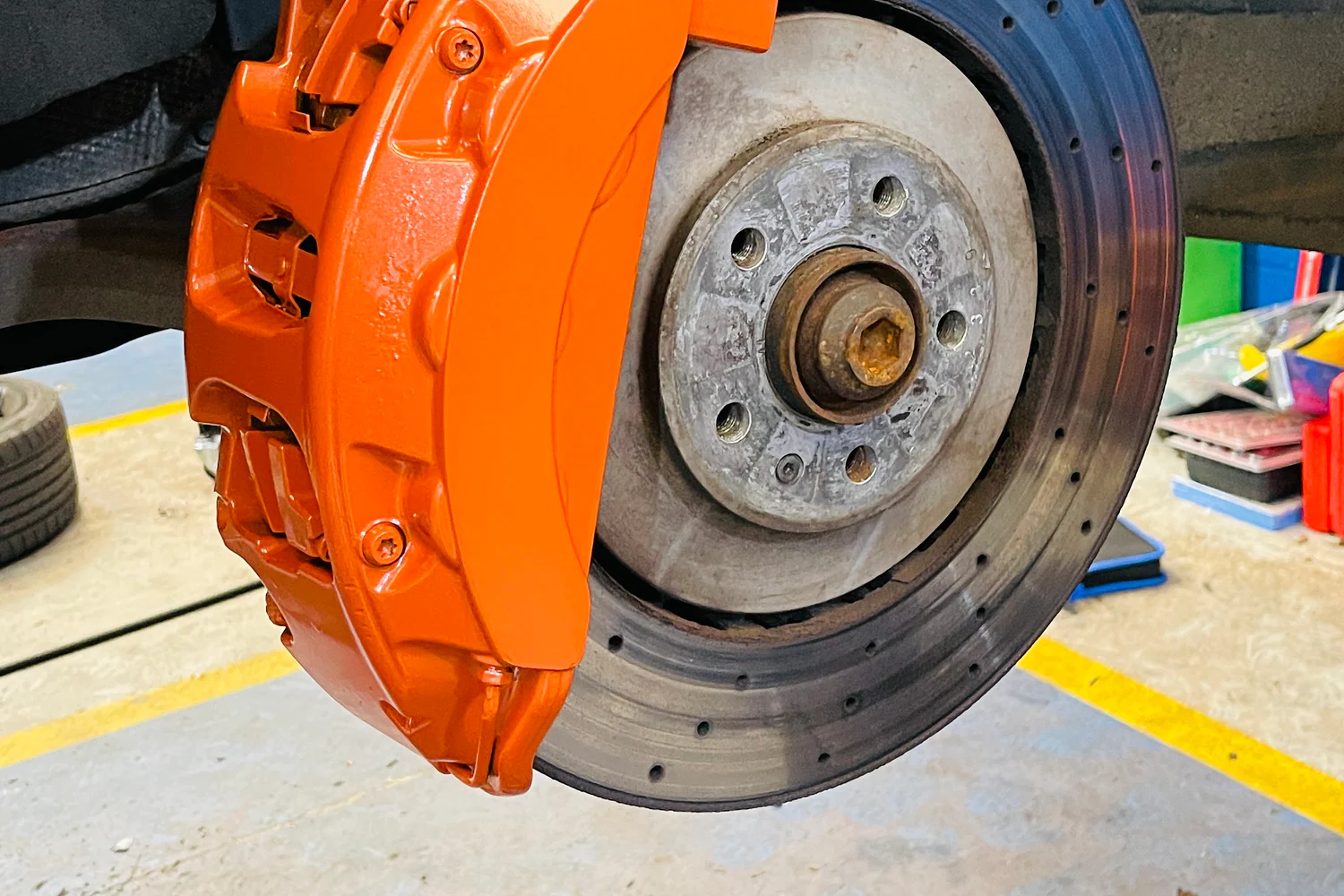 04 / ChassisBrakes, suspension, wheels and tyres matched to the vehicleOpen route ↗
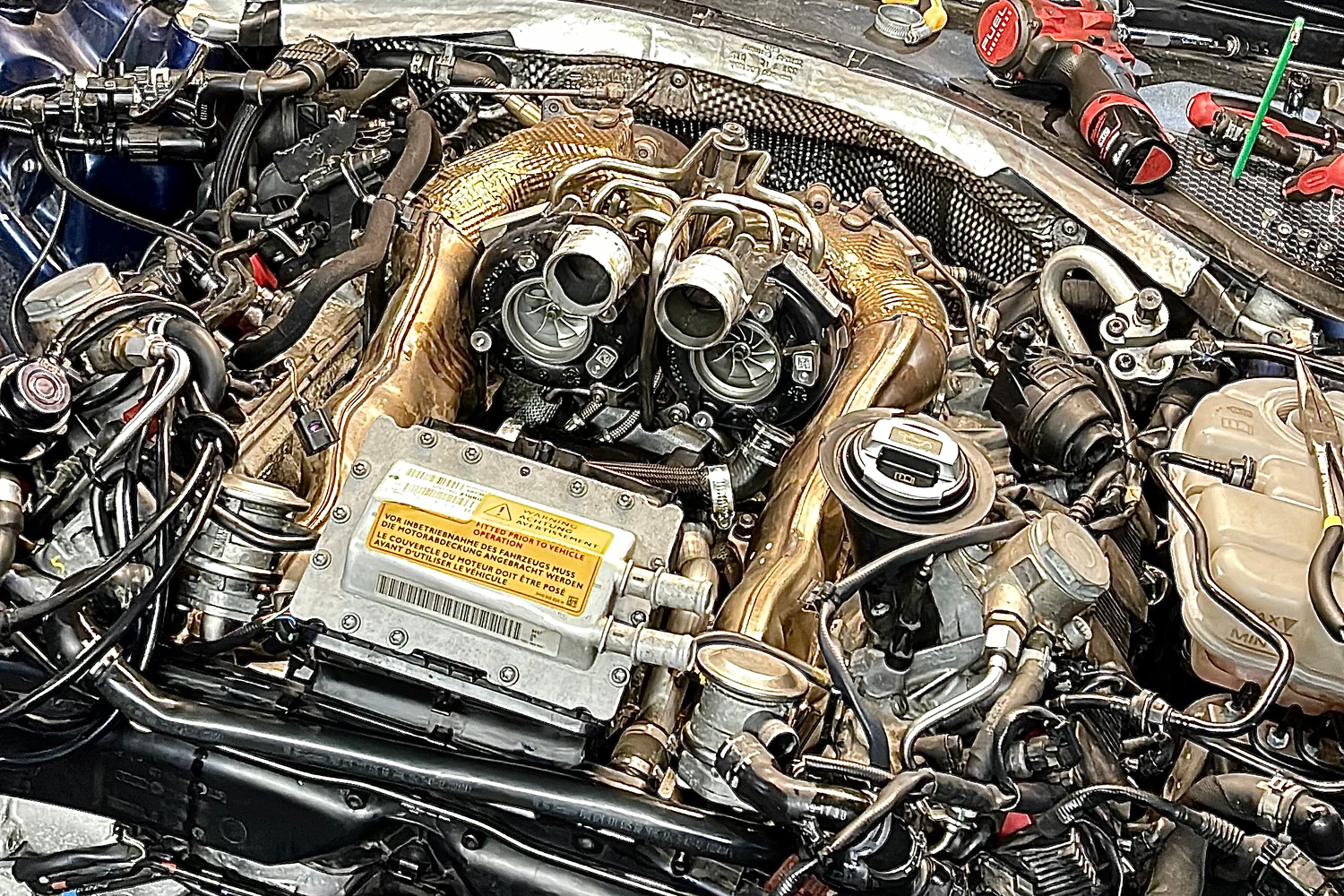 05 / DrivetrainDrivetrain and engine hardware in real workshop detailOpen route ↗
Read our assessment, deposit and warranty arrangements →
Good to know before you book
The detail, already open
Every guide is expanded by default so the full scope is visible immediately. Compatibility and outcome still depend on the exact vehicle, software, condition and installed parts.
The main fuel-system upgrades. options the workshop can assess, source, fit or coordinate.
Fitment and supporting systems are considered before parts and labour are committed.
These decisions turn a broad category into a useful, vehicle-specific specification.
The practical details that protect finish, function and future servicing.
Workshop process
Every vehicle is different, but you should always understand what is being recommended and why.
We document the vehicle, current specification, intended use and what you want fuel-system upgrades. to change.
Compatible parts, supporting work, lead time, installation detail and legal or insurance implications are checked before authorisation.
The agreed package is installed, function-checked and handed over with operating, bedding-in and maintenance guidance.
Fit for purpose
The useful question is not simply whether a part or calibration is available. It is whether it supports your car, your driving and the next stage of the build.
Why Torque Monsta
Performance work should come with honest limitations, professional tools and a clear explanation of what your money changes. Our approach joins calibration and fabrication knowledge with the wider mechanical capability of Vulcan Motors.
Vehicle, software, fuel and hardware are considered together rather than assuming one file fits every example.
Professional, legitimate tooling and processes support safer reading, writing, coding and diagnostic work.
Recognised automotive training and standards sit behind the practical workshop experience.
The workshop operates as an established automotive business with the appropriate professional cover.
Parts, labour, calibration and likely follow-on requirements are discussed before the project grows.
Explore our separate parts shop → · Ask the workshop to confirm compatibility and installation.
Before you commit
Power, sound and appearance are only part of a successful result. Reliability, braking, tyres, heat management, servicing, insurance and road use all deserve a place in the conversation.
Torque workshop jobs require a 50% deposit before parts ordering or confirming the work booking. The initial Powerflow assessment remains free and no-obligation. Ask for written payment and cancellation terms before paying; statutory rights are unaffected.
We telephone you with progress updates and confirm agreed changes to project cost or scope in writing. Photos and progress updates are available on request; specialist work and parts lead times are explained for the individual project.
Injectors: flow capacity, spray pattern and calibration data; In-tank pumps: low-pressure supply and basket compatibility; High-pressure pumps: direct-injection headroom where supported; Fuel rails and regulators: stable delivery and pressure control; Lines and fittings: material compatibility and protected routing; Flex-fuel and sensors: vehicle-dependent content monitoring.
Yes, subject to vehicle fitment and availability. The team can search the wider performance catalogue, compare appropriate routes and include professional installation in the proposal.
Often, subject to inspection and workshop agreement. Please provide the manufacturer, exact part number, condition and all supplied fittings. Additional labour may apply where parts are incomplete, seized, incorrect or require adaptation.
Send the registration or VIN, current specification, photographs where helpful, the result you want and your budget or preferred product. Some projects require a workshop inspection before a reliable estimate can be prepared.
Potentially. Braking, tyres, cooling, fuelling, calibration, alignment, wiring, servicing and drivetrain capacity can all influence the safe sequence. The workshop will identify known dependencies before authorisation.
The exact implications depend on the component and use. Modifications must be declared to the insurer where required, may affect warranty, and must remain compliant for road use and MOT testing.
Build a better brief
The more complete the starting information, the more useful our first recommendation can be. Photos, part numbers and diagnostic reports can be added after the initial contact where helpful.
Registration or VIN, mileage, transmission and exact model or engine variant.
Software, engine hardware, exhaust, suspension, wheels, tyres and any recent repair work.
Power delivery, sound, appearance, road use, track use, towing, economy or a specific problem to resolve.
Budget range, preferred timing, comfort requirements, insurance restrictions and future stages.
Fuel grade, typical journey, annual mileage and whether the vehicle is a daily driver or specialist project.
Questions are welcome
Workshop capability / Torque Monsta
Specific services, practical limits and a clear next step. Every job is assessed for the vehicle, condition, access and suitable parts. Tell us your registration and what you need.

Airflow, temperature control and fuel delivery planned together.
Vehicle-specific feasibility and calibration required.
Application and failsafe strategy agreed before installation.
Vehicle-specific hardware and calibration feasibility.
Appropriate operating conditions and safe test method agreed; no dyno service.
With your permission, Google Analytics measures page visits and clicks on calls, bookings and shop links. Our enquiry events do not include your name, vehicle registration or message. You can withdraw consent here at any time. External booking tools have their own privacy settings.